TLDR: Automate the repetitive parts of onboarding — reminders, document requests, intake forms, status updates — and keep the human touchpoints for kickoff calls, questions, and team handoffs. You save hours per client without making anyone feel like they are talking to a robot.
There are two types of service businesses. The ones where the founder personally sends every onboarding email, chases every document, and tracks every task in their head. And the ones that automated all of that six months ago and now spend their time on actual client work.
The first group is exhausted. The second group is scaling.
Automation is not about removing yourself from the process. It is about removing yourself from the parts that do not need you.
What You Should Automate (And What You Should Not)
Not everything in onboarding should be automated. Some moments need a real human. The trick is knowing which is which.
Automate These
- Welcome emails and kickoff instructions. The message that goes out after a contract is signed should be automatic. It should include everything the client needs to get started — their portal link, a list of what you need from them, and a timeline.
- Intake form delivery. As soon as a client is in your system, they should receive their intake form without you lifting a finger.
- Document collection requests. Need a W-9, brand guidelines, or a signed agreement? Send the request automatically with clear instructions on what to upload and where.
- Reminders for incomplete items. This is the big one. Chasing clients for missing documents is a massive time sink. Automated reminders — sent at intervals you define — handle this for you. Learn more about how to stop chasing clients for documents.
- Internal notifications. When a client completes a step, your team should know immediately. Automated internal alerts keep everyone in the loop without status meetings.
- Status updates to clients. A simple automated message when their onboarding moves to the next phase shows clients you are organized without requiring you to send it manually.
Keep These Human
- The initial welcome call or video. Automation cannot replace the moment where you connect face-to-face (or voice-to-voice) with a new client. This is where trust is built.
- Answering questions about the process. When a client is confused or uncertain, they need a real person. Make it easy for them to reach you.
- The handoff to the project team. If the person who sold the client is not the person doing the work, that introduction should be personal. A warm handoff matters.
A Simple Automated Onboarding Workflow
Here is what a clean automated onboarding flow looks like for a service business:
- Contract signed — triggers the onboarding sequence.
- Welcome email sent automatically — includes portal link, timeline, and next steps.
- Client opens portal — sees intake form, document upload requests, and a checklist of everything needed.
- Client completes items at their own pace — no login required, just a link.
- Automated reminders sent — day 3, day 7, day 10 for any incomplete items.
- Team notified — as items are completed, the right team members get pinged.
- All items complete — automated email confirms everything is received and shares next steps.
- Kickoff call scheduled — either automatically via a scheduling link or manually by your team.
That entire flow runs without you doing anything after step one. You set it up once and every new client goes through the same smooth process.
The “Personal Touch” Problem
The biggest objection to automation is always the same: “Our clients expect a personal experience.”
They do. But here is what most people get wrong about what “personal” actually means.
Personal does not mean manual. A hand-typed email with three typos and no clear next steps is not more personal than a well-crafted automated message that uses the client’s name, references their specific project, and tells them exactly what to do next.
Personal means:
- Using their name and project details. Most onboarding tools let you insert dynamic fields. Use them.
- Matching your brand voice. Your automated messages should sound like you, not like a generic template.
- Being available when it counts. Automate the logistics so you have time to show up for the moments that matter — the kickoff call, the check-in when something is confusing, the celebration when the project launches.
Where Small Teams See the Biggest Gains
If you are a team of two or five, automation is not a luxury. It is survival.
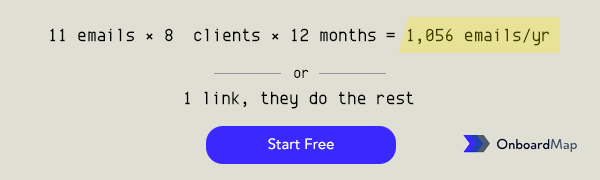
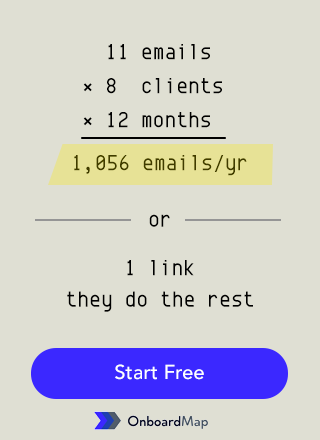
Consider the math. If onboarding one client manually takes three hours of admin work — emails, reminders, document chasing, status tracking — and you onboard four clients a month, that is twelve hours. Every month. On work that adds zero value.
Automate that and you get twelve hours back. That is a full day and a half. Every month.
For practical tips on making this work with a lean team, check out our guide on client onboarding best practices for small teams.
Common Automation Mistakes to Avoid
A few things that trip people up:
- Over-automating the first interaction. Do not send a cold, robotic welcome message two seconds after the contract is signed. Add a short delay. Or better yet, send the first message personally and let automation handle everything after that.
- Setting and forgetting. Your automated workflows need occasional review. Clients change, your services change, and your onboarding should change with them.
- Ignoring the client’s perspective. Test your own onboarding flow. Click the link. Fill out the form. Upload a document. If any step feels confusing, fix it.
- Too many reminders. Three well-timed reminders are helpful. Seven are annoying. Find the balance.
Getting Started
You do not need a complex tech stack to automate onboarding. You need a tool that handles intake, document collection, and reminders — and connects them into a single workflow.
If you are still running onboarding through email and spreadsheets, even a basic onboarding platform will transform your process.
OnboardMap automates the tedious parts of onboarding — document requests, reminders, status tracking — while keeping the client experience clean and personal. Your clients get a branded portal. You get your time back.
Get early access to OnboardMap and build your first automated onboarding flow in minutes.